


Gambling's portrayal in literature and film An exploration of fate and chance
The Symbolism of Gambling in Literature
Gambling has long served as a powerful symbol in literature, representing the intricate dance between fate and chance. Authors often use gambling as a metaphor for the unpredictability of life, showcasing how characters navigate their destinies amidst uncertainty. Works ranging from Dostoevsky’s «The Gambler» to Hemingway’s short stories illustrate how characters confront their own limitations and desires through the lens of risk-taking. With the rise of online platforms such as https://amazonslotscasinos.com/, this theme has only gained more relevance in contemporary narratives.
Through gambling, writers reveal deeper themes such as desperation, ambition, and the human condition. The stakes are not merely financial; they represent characters’ hopes and dreams, encapsulating their struggles with moral ambiguity. This exploration resonates with readers, prompting reflections on their own relationship with chance and the unpredictability of life’s outcomes.
Gambling as a Narrative Device in Film
Film often employs gambling as a narrative device, propelling plots and shaping character arcs. Movies like «Casino Royale» and «Rounders» highlight the tension and excitement associated with high-stakes gambling. These films often portray gamblers not just as risk-takers, but as individuals striving for control in a chaotic world, making decisions that could alter their lives forever.
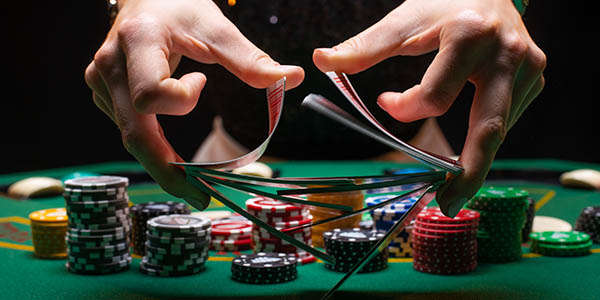
The visual and auditory elements of cinema amplify the emotional weight of gambling scenes. The clinking of chips, the tension in a dealer’s face, and the exhilaration of a win or loss provide a visceral experience for the audience, emphasizing the duality of fate and chance. These portrayals leave viewers questioning the boundaries between luck and skill, mirroring the complexities of real life.
The Psychological Impact of Gambling in Fiction
Literature and film delve into the psychological ramifications of gambling, illustrating how it can lead to both liberation and destruction. Characters often wrestle with addiction, showcasing the darker side of gambling that transcends mere entertainment. This psychological depth invites viewers and readers to empathize with the struggles of individuals caught in the throes of gambling addiction, highlighting its profound impact on relationships and personal identity.
Moreover, the portrayal of psychological turmoil surrounding gambling serves as a cautionary tale. It emphasizes the fragile line between enjoyment and obsession, provoking discussions about the societal implications of gambling and its portrayal in media. Through these narratives, audiences gain insight into the complexities of human behavior and the choices that define our lives.
Cultural Reflections on Gambling
Gambling reflects the cultural values and societal norms of different eras and regions. In literature and film, it often serves as a microcosm of broader societal issues such as class struggle, morality, and the pursuit of the American Dream. Classic novels like «The Great Gatsby» illustrate how gambling is intertwined with themes of wealth and social status, exploring the consequences of chasing dreams without regard for morality.
Similarly, films often portray gambling within specific cultural contexts, offering a critique or celebration of the gambling culture in various societies. These portrayals encourage audiences to contemplate how gambling fits into their own cultural narratives, raising questions about ethics, community values, and personal responsibility in the face of temptation.
Conclusion: The Intersection of Gambling and Human Experience
Gambling’s portrayal in literature and film serves as a compelling lens through which to examine the interplay between fate and chance. By delving into the psychological, cultural, and narrative aspects of gambling, these mediums allow us to reflect on our own lives and the unpredictable nature of our choices. The exploration of gambling transcends mere entertainment, prompting profound discussions about risk, morality, and the essence of the human experience.
As the world of gambling continues to evolve, so too will its depiction in literature and film. The narratives we create around gambling are essential in understanding our relationship with chance and the complexities of fate. Engaging with these portrayals helps foster a deeper awareness of the consequences of our actions, both on personal and societal levels.